What is Hato La Aurora
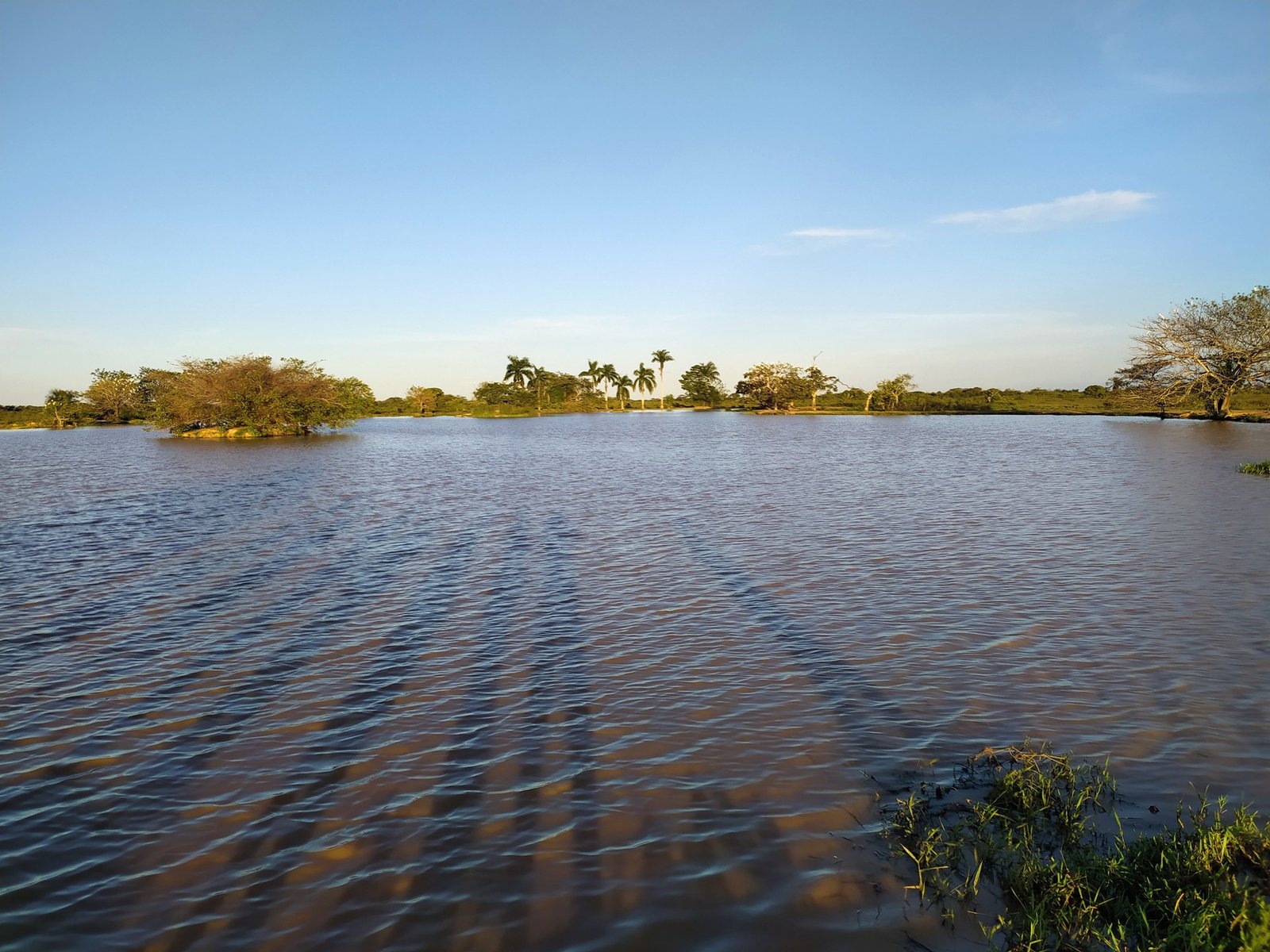
Hato La Aurora sits between the municipalities of Paz de Ariporo and Hato Corozal, in the department of Casanare. It’s a private civil-society nature reserve that blends traditional cattle ranching with conservation and nature tourism, and it’s considered the birthplace of the llanos safari: its founder, Nelson Barragán, decided in the late 1990s to open his ranch to ecotourism instead of relying on cattle alone.
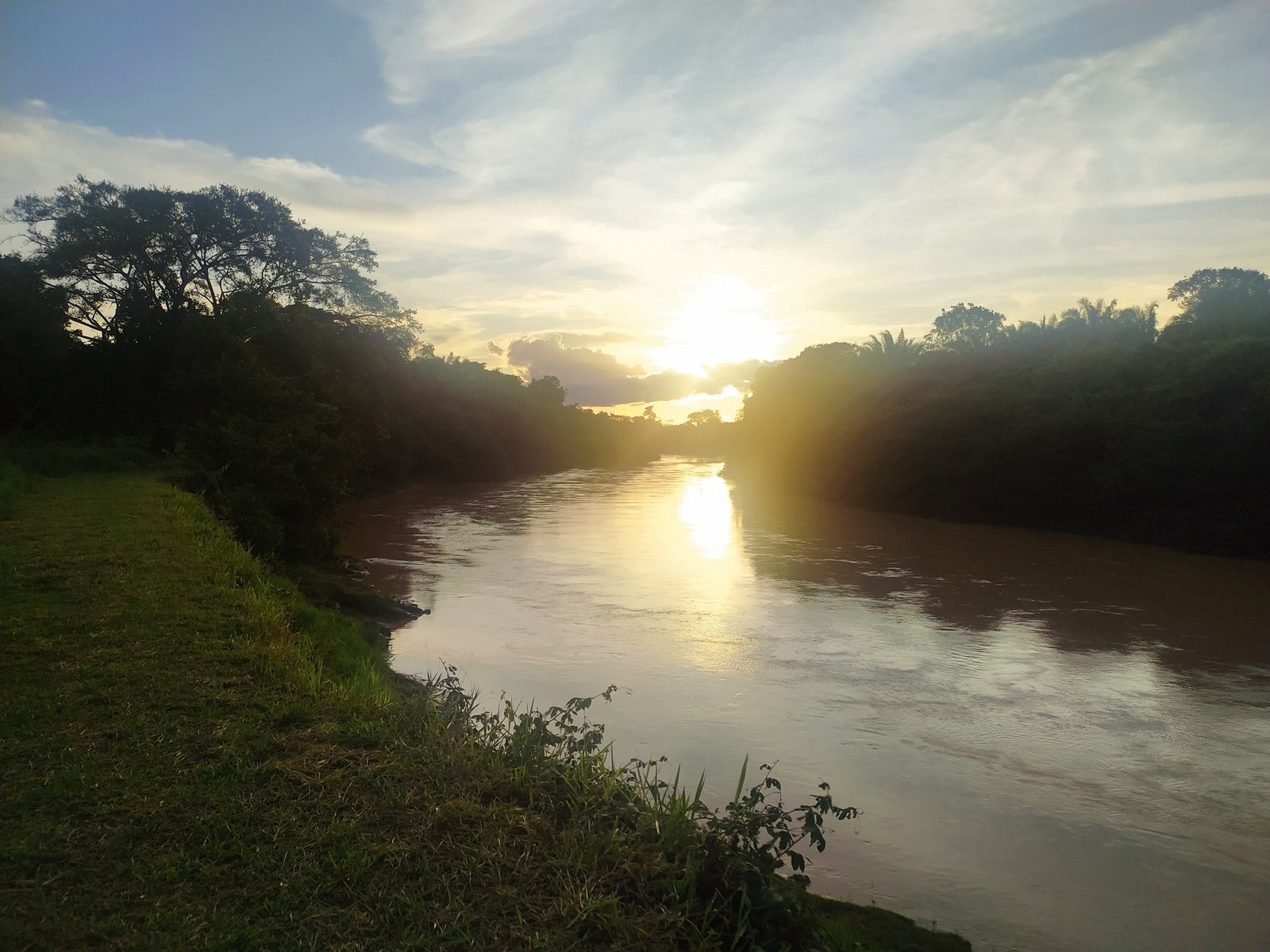
The base is the Juan Solito ecolodge, on the banks of the Ariporo River, where every excursion departs. There are no crowds or lines here: groups are small, and outings run with local guides who know every wetland, every savanna, and the exact times each animal shows up.
The wildlife you’ll see (and the ones you might get lucky with)
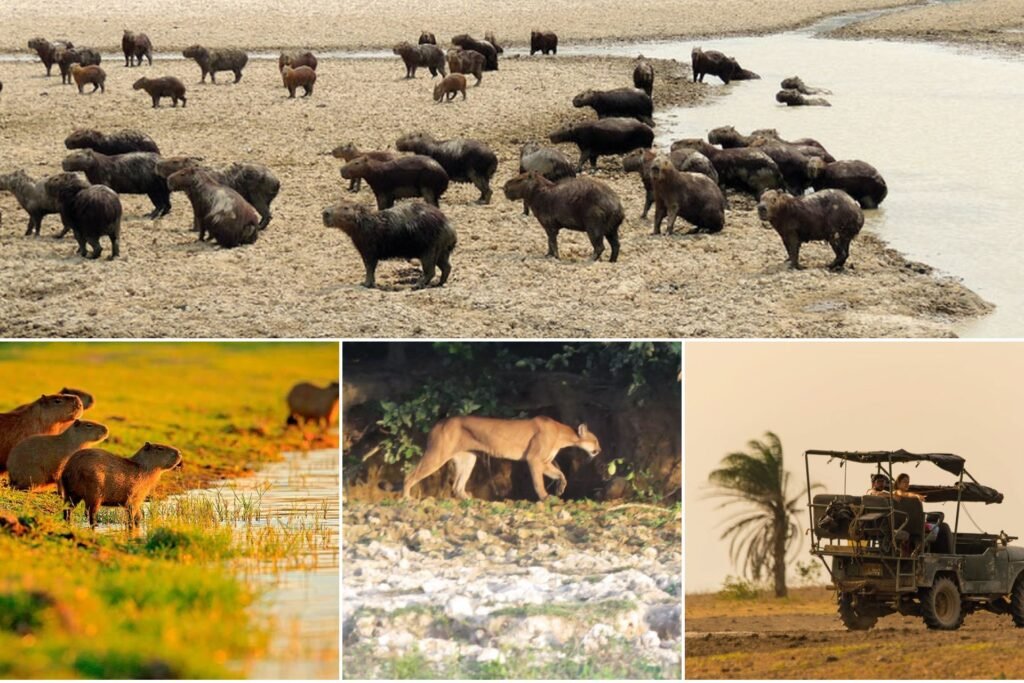
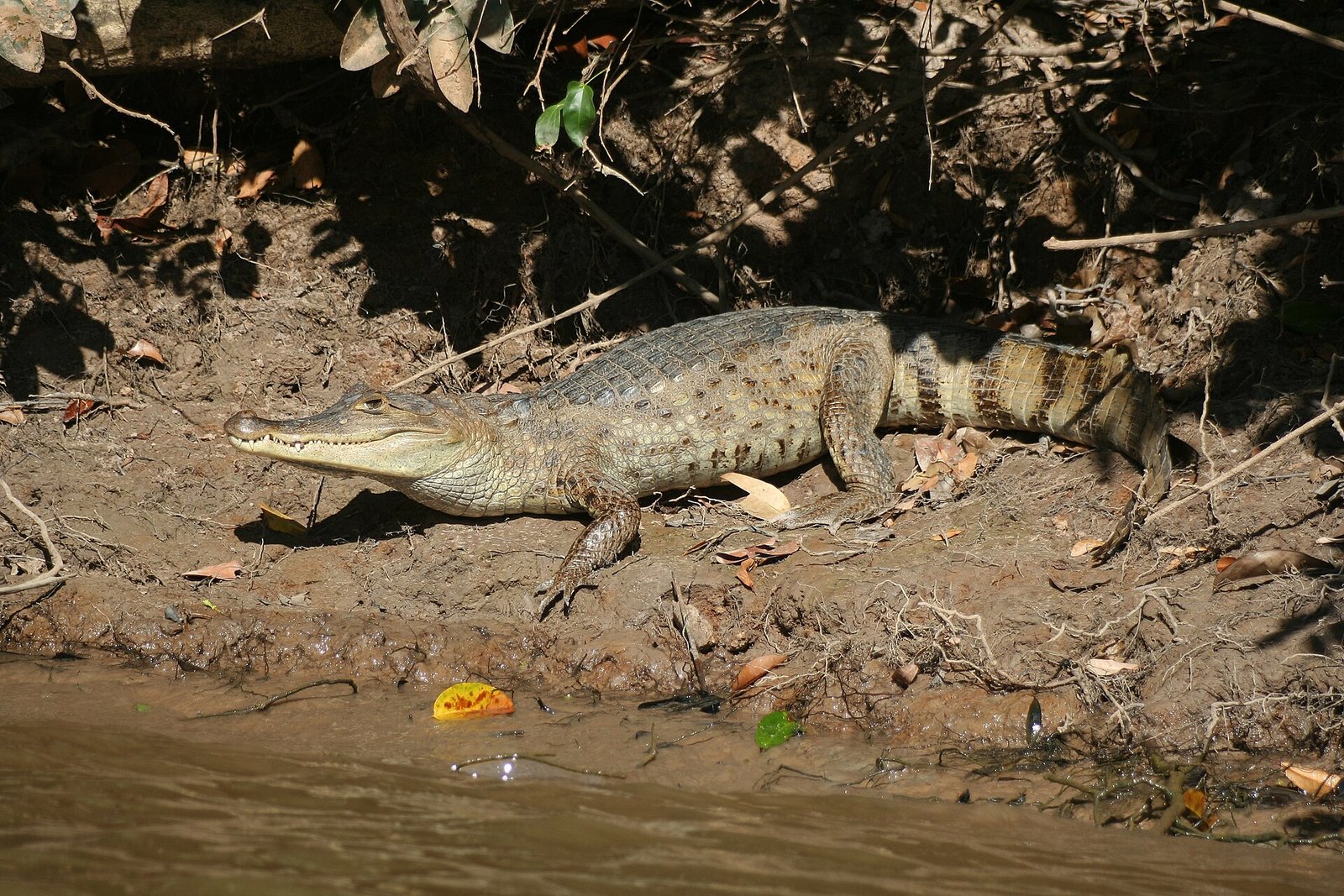
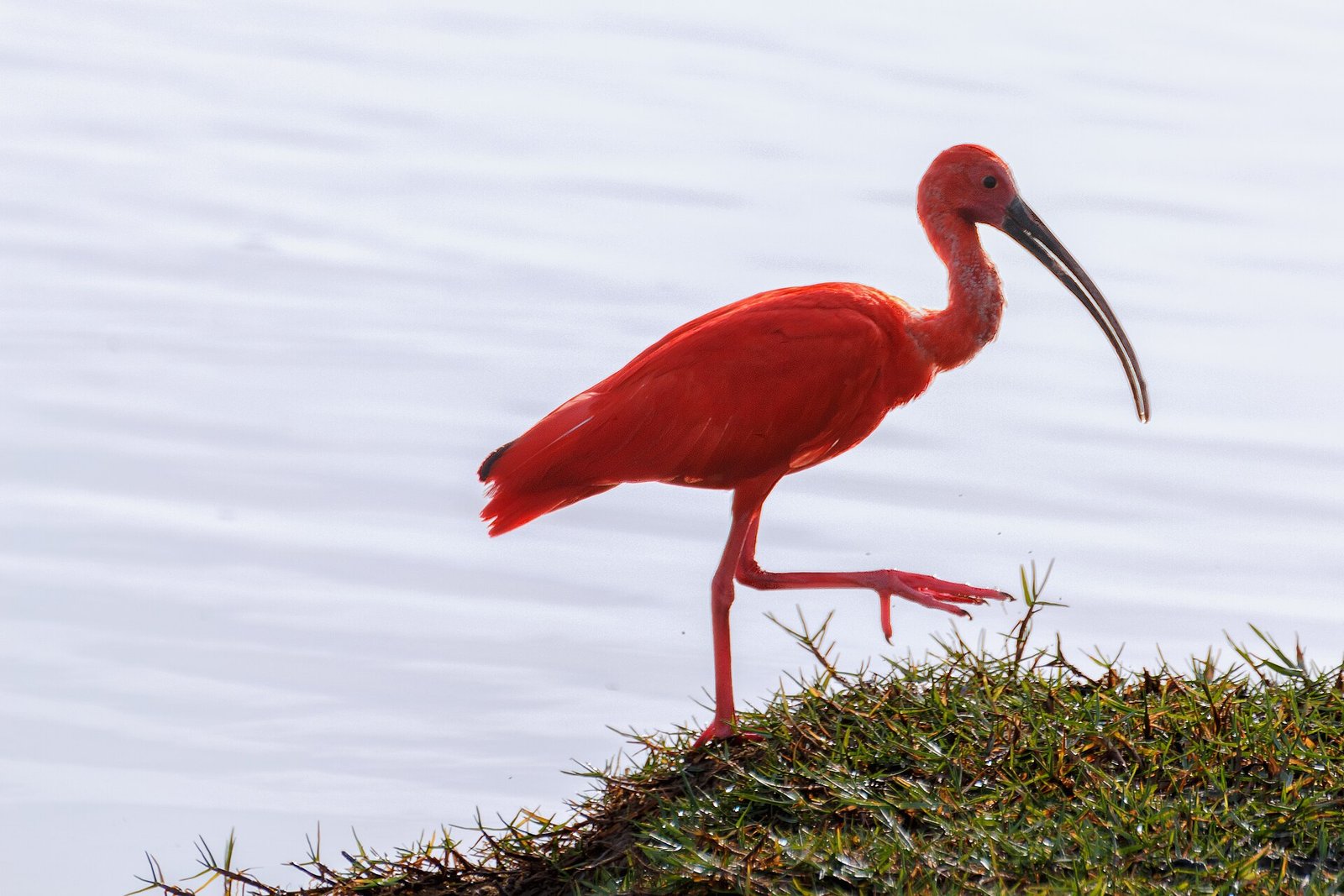
The first thing that will hit you is the sheer quantity. At Hato La Aurora there are species the guides can practically guarantee you’ll see: capybaras (the world’s largest rodents — you’ll spot entire herds), spectacled caimans sunbathing on the riverbanks, the scarlet ibis with its impossible red, cocoi herons, Orinoco geese, deer, wild horses, iguanas and turtles.
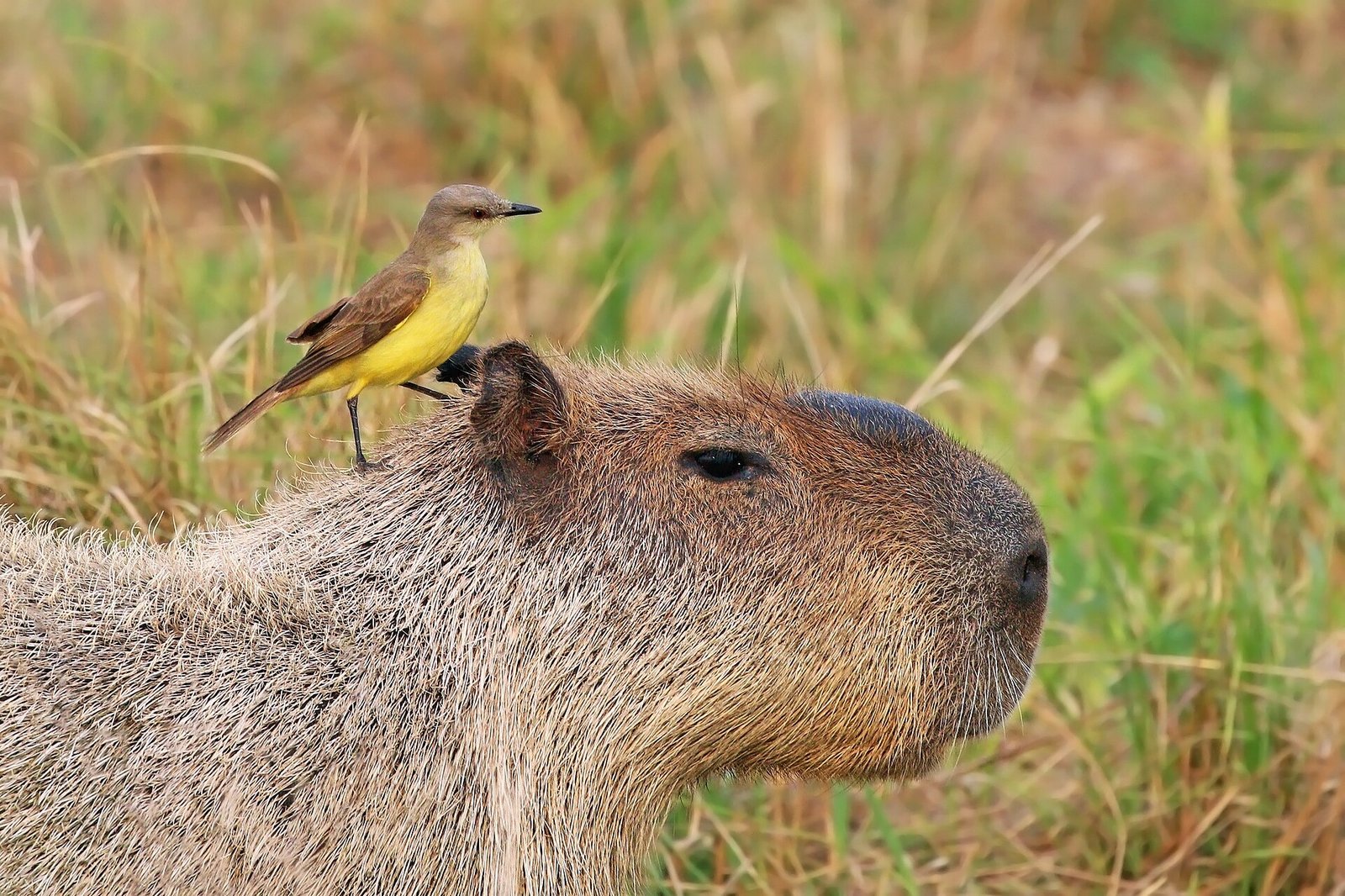
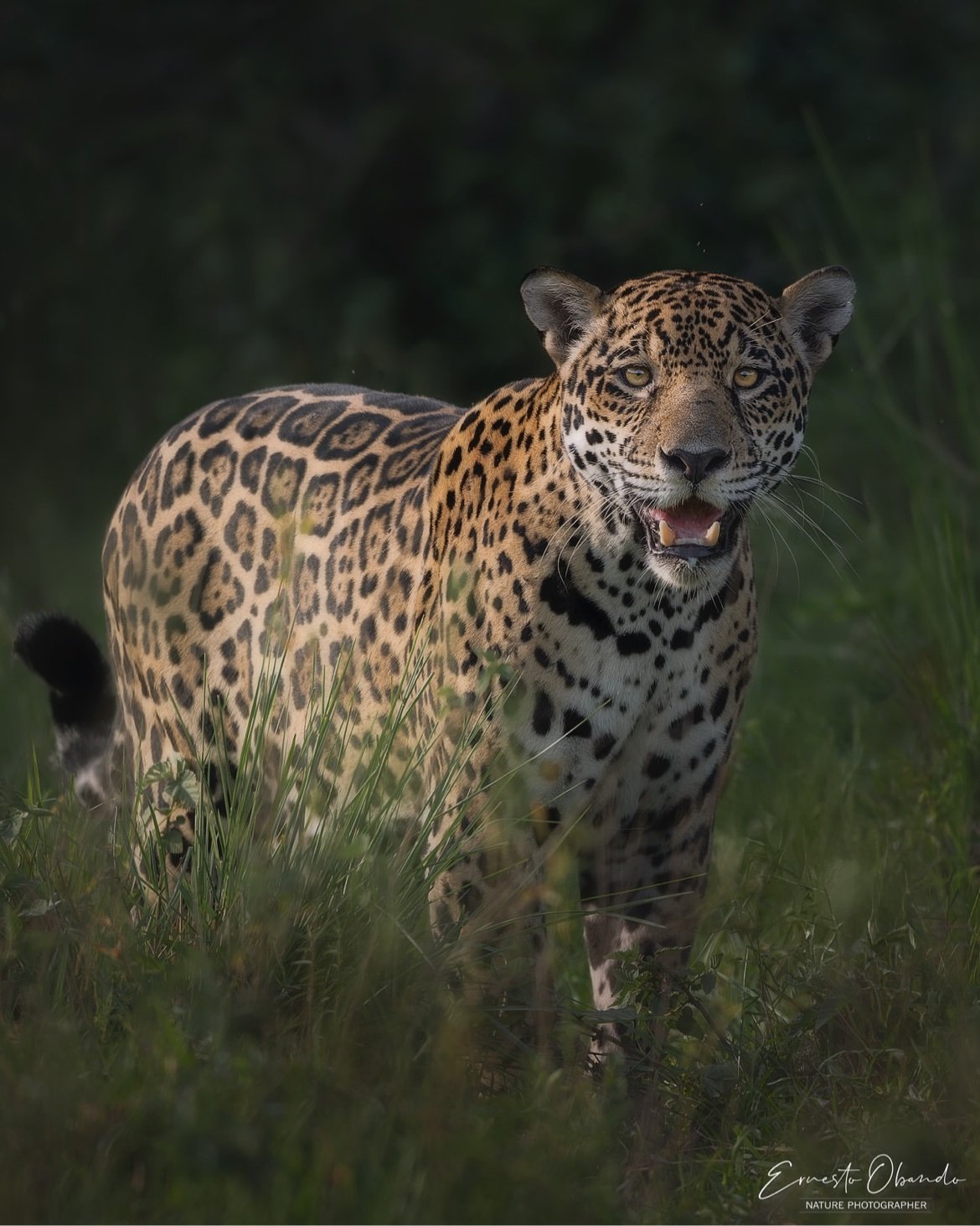
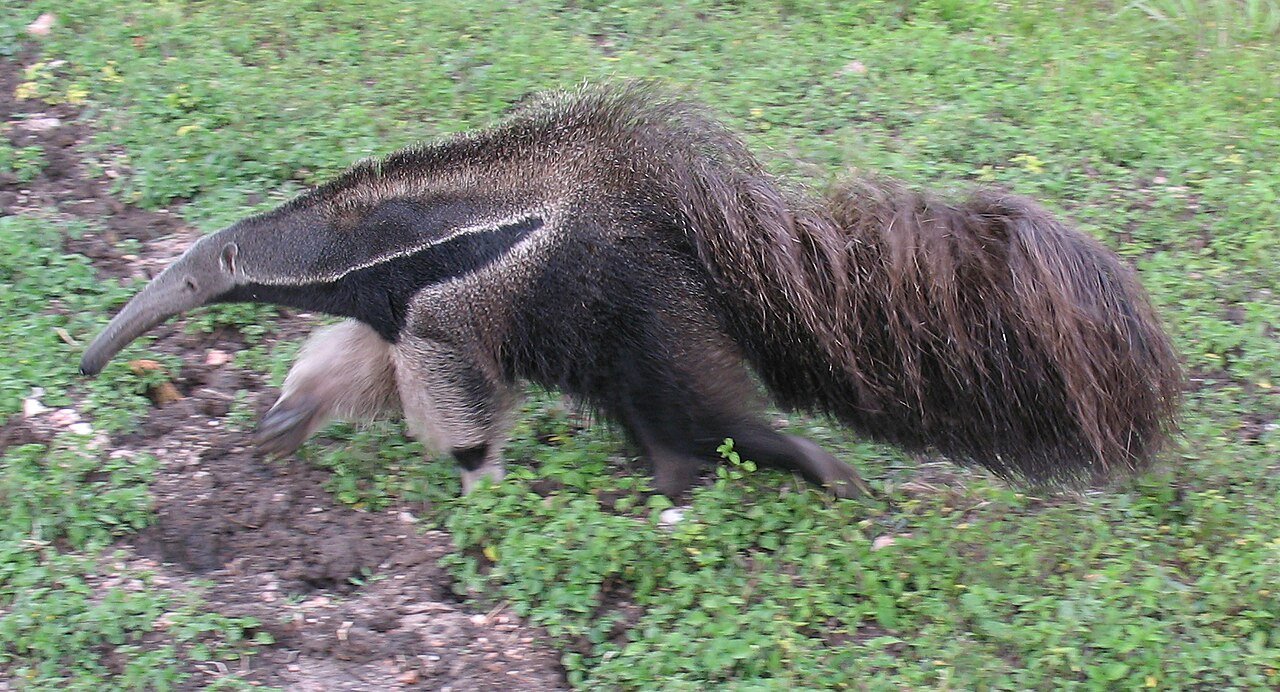
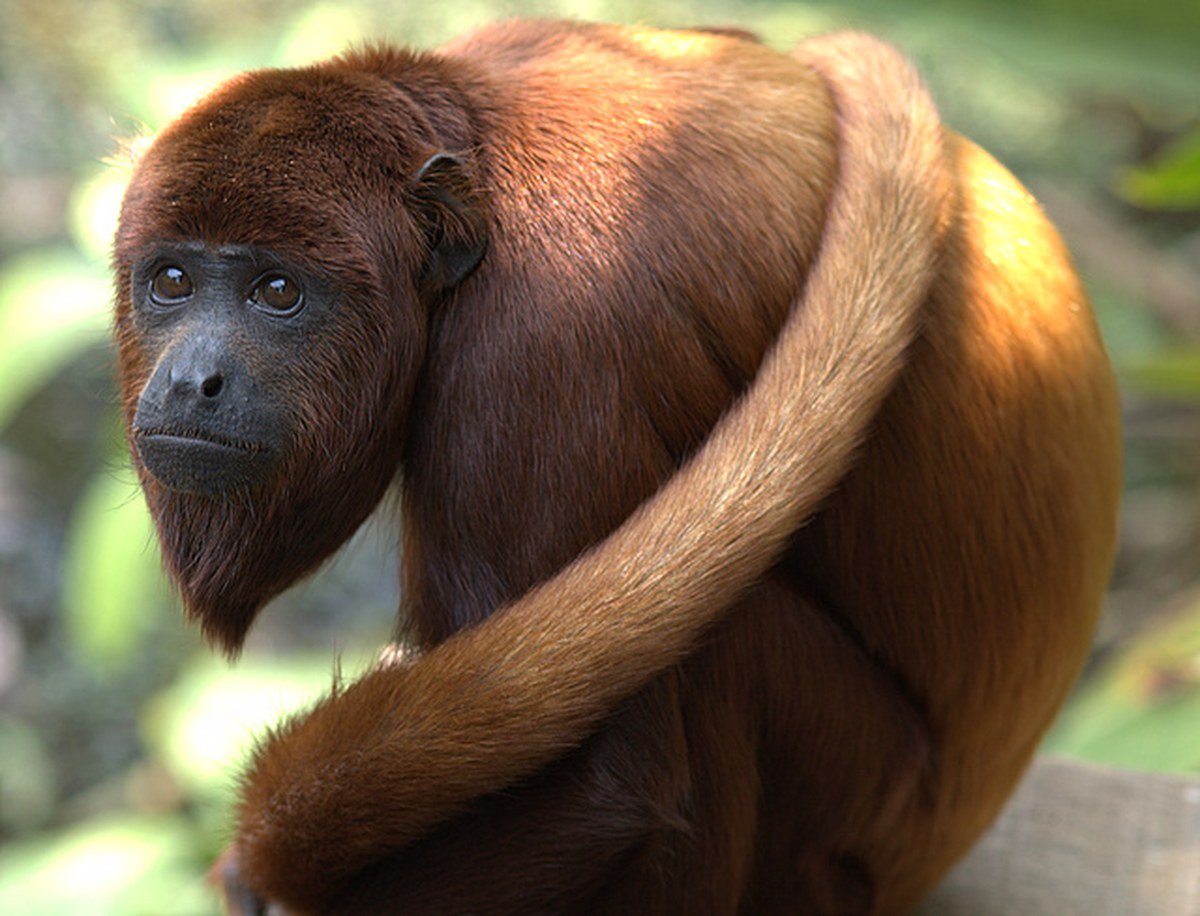
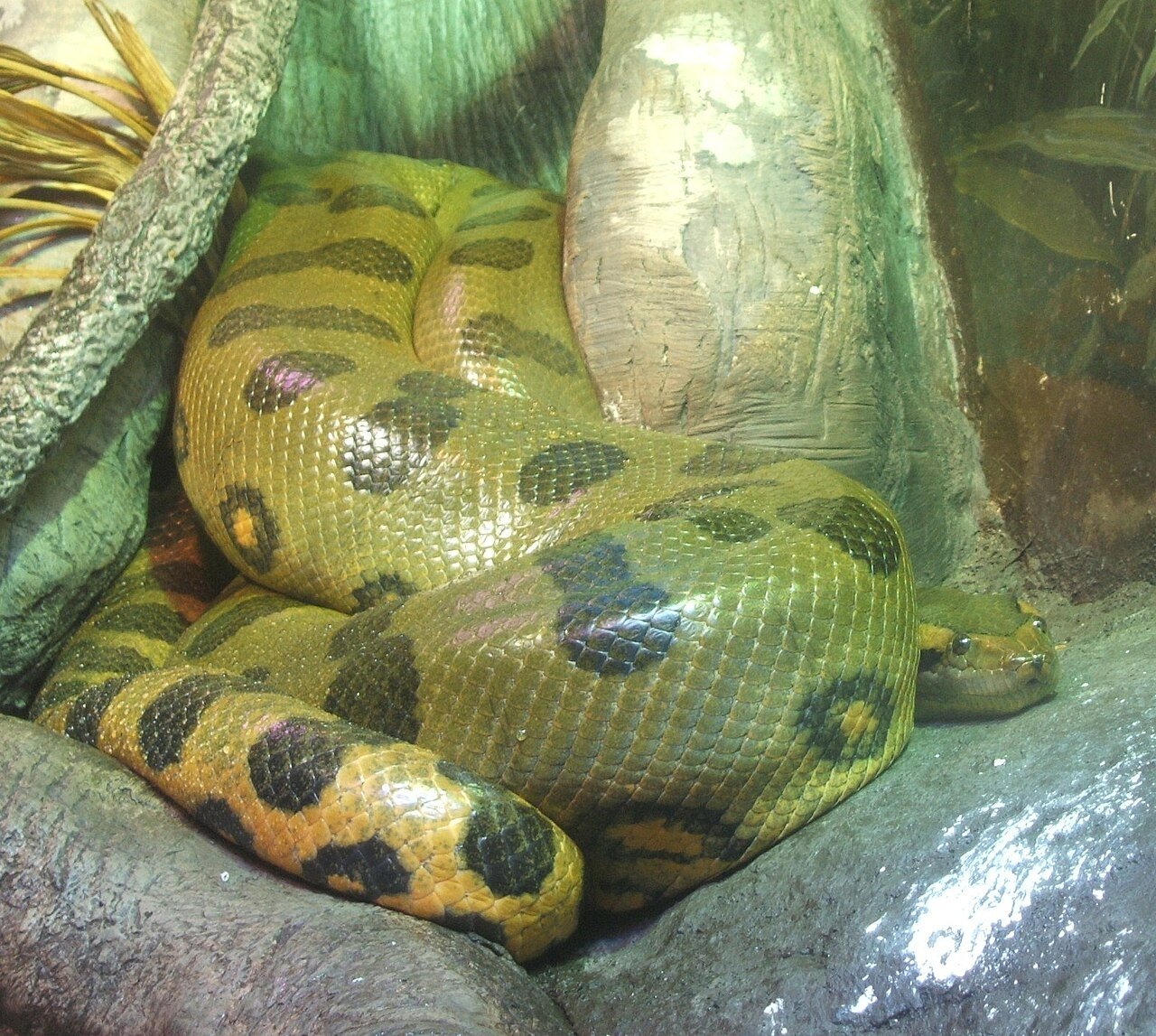
Then there are the ones that depend on luck and your guide’s sharp eye: anacondas, giant anteaters, howler monkeys, macaws, the Orinoco crocodile and, the grand prize, the jaguar — the largest feline in the Americas. Seeing one isn’t guaranteed, but this is one of the few places in Colombia where it’s actually possible.
And the list goes on: with patience and a good guide you can also spot pumas, ocelots, crab-eating foxes, armadillos, toucans and herds of peccaries crossing the gallery forests.
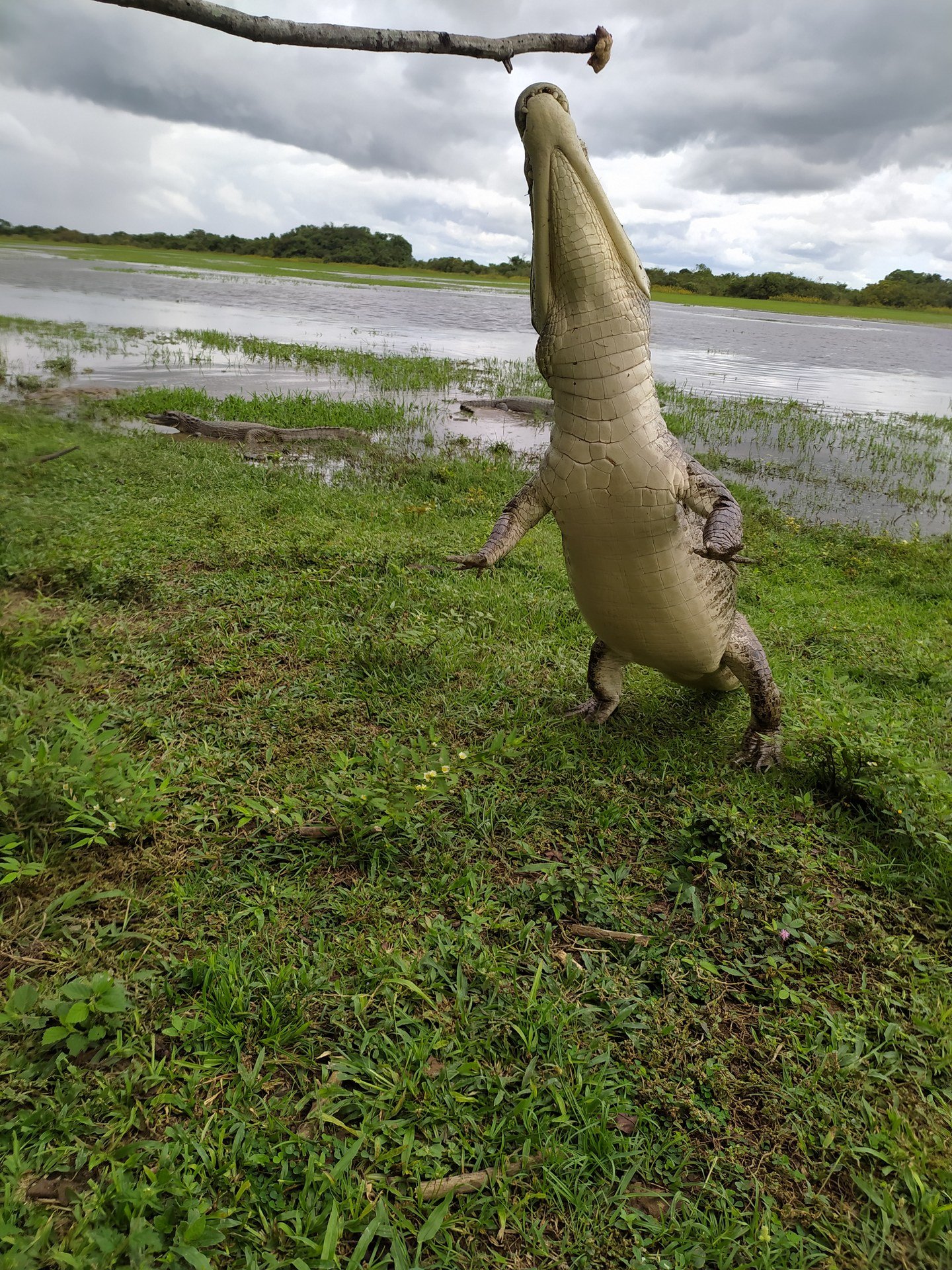
For bird lovers, here’s a staggering fact: the flooded plains of the Orinoquía region are among the most bird-diverse areas on the continent.
What the llanos safari is like
The full-day safari lasts 8 to 10 hours. After breakfast at the ecolodge, you cross the Ariporo River by canoe and hop into jeeps or 4×4 trucks to roam the savannas, wetlands and gallery forests with your guides. In the rainy season, when the trails flood, part of the route is done by tractor — an experience in itself.
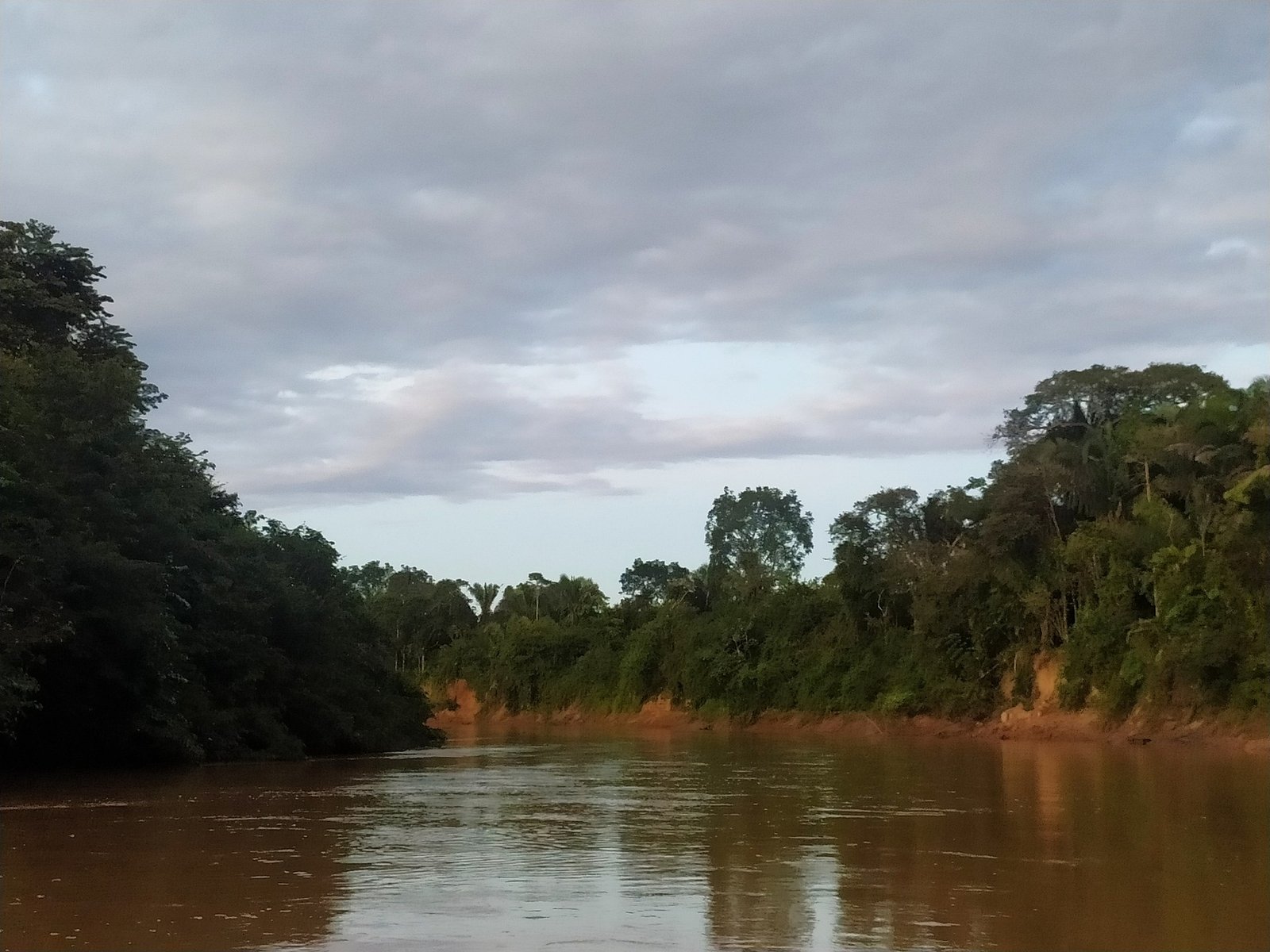
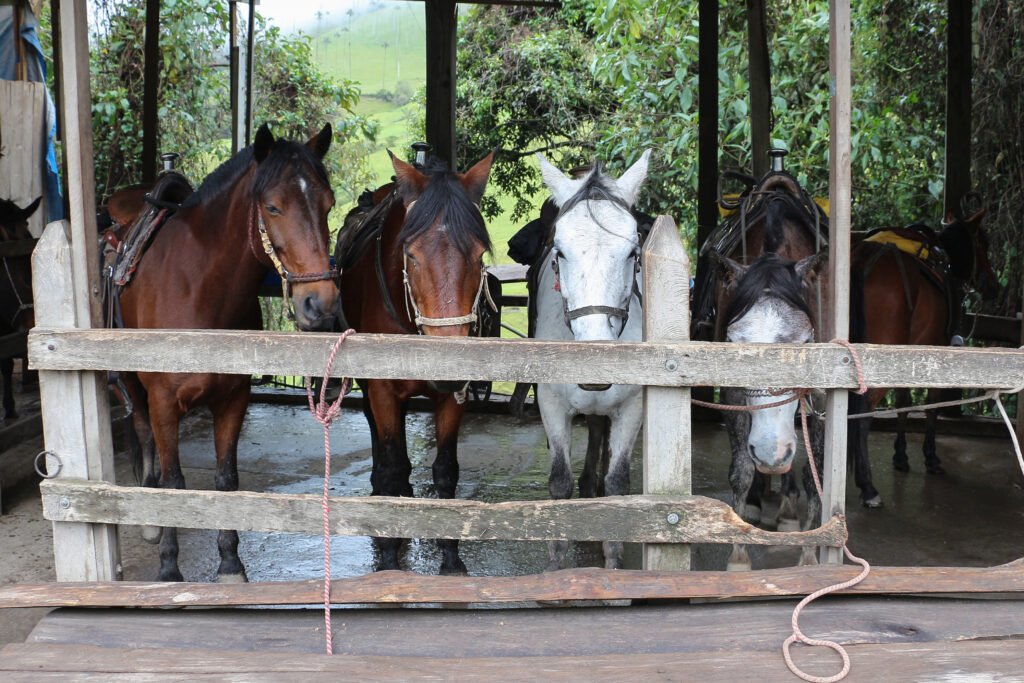
But the vehicle safari is only part of it. You can also ride horseback across the savanna like a true llanero cowboy, join guided walks by day and by night (the nocturnal wildlife is a whole different world), go birdwatching at dawn, and glide through lagoons and creeks in a curiara, the traditional wooden canoe.
Two experiences deserve special mention. Anaconda tracking: the guides know the wetlands and creeks where these giant snakes hide, and finding one alongside an expert tracker is one of the most thrilling moments of the whole trip. And river fishing in the Ariporo and its tributaries — a classic llanero pastime that’s as much about the setting as the catch.
At night, the day wraps up with llanera harp performances, songs, poems and legends of the region. It’s tourism, yes — but it’s also living llanero culture.
Best time to go
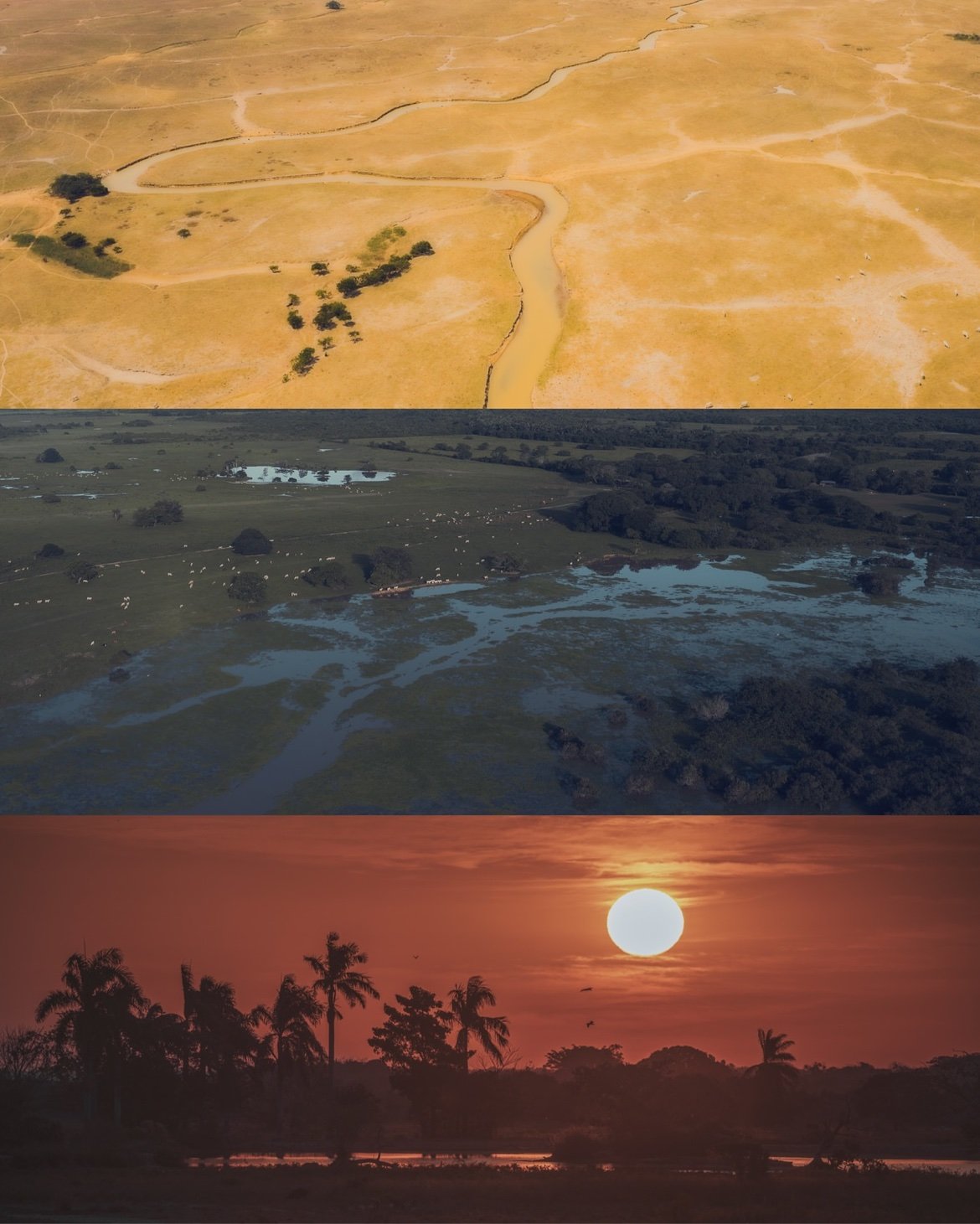
The dry season, December through March, is prime time: wildlife concentrates around the few remaining water sources and safaris are at their most productive. The trails are dry and you can reach the reserve’s more remote areas.
In the rainy season, April through November, the landscape turns green and lush, the wetlands fill up, and river and curiara trips are spectacular. Both seasons are worth it — the experience just changes.
How to get to Hato La Aurora
The starting point is Yopal, the capital of Casanare, reached by plane from Bogotá (El Alcaraván Airport has daily flights). From Yopal you head out by 4×4 toward the reserve and the Juan Solito ecolodge. The drive is part of the adventure: herons, capybaras and deer start appearing along the roadside.
What to pack and llanero tips
- Light clothing in neutral colors (beige, khaki, olive green): bright colors scare the wildlife.
- Sturdy closed shoes you don’t mind getting wet, a hat or cap, and sunscreen.
- Binoculars if you have them: they make all the difference for birdwatching.
- Insect repellent and a light jacket for the evenings.
- A camera with a good zoom — but don’t obsess over it: sometimes the best memory is just watching.
- Always listen to your guide: they know where the animals are and how to approach without disturbing them. This is a fragile ecosystem, and responsible tourism is what keeps it alive.
Experience the llanos safari with Caminantes y Aventureros
Hato La Aurora is not a zoo: it’s the real savanna, with its rhythms, its rains and its free-roaming wildlife. Going with an agency that knows the region makes all the difference between spotting a couple of animals from afar and truly living the plains.
At Caminantes y Aventureros we organize your trip to Casanare: transportation, lodging at the ecolodge, safaris with local guides and all activities. Message us on WhatsApp at +57 322 780 4313 and let’s plan your llanos safari together. The plains are waiting! 🐊
Photos of Hato La Aurora and the Ariporo River: Zamu.jd via Wikimedia Commons (CC BY-SA 4.0). Illustrative photos of plains wildlife: Paparadap, Charles J. Sharp, Berrucomons, Fernando Flores, Steven G. Johnson, Anagoria and Alessandro Catenazzi via Wikimedia Commons (CC BY-SA). Jaguar photo and aerial triptych: Ernesto Obando, courtesy of the photographer for the agency. None of the Wikimedia photos are the agency’s own.